Guides
The questions that come before the shopping. Answered in the first paragraph, then explained.

Affiliate disclosure: we earn a commission if you buy through our links, at no extra cost to you. It never changes which product we rank first — here is how we're funded.
The questions that come before the shopping. Each of these answers in the first paragraph and then shows the working, because a question like "what size mower do I need" has an actual answer and most pages take nine hundred words to avoid giving it.
These pages are also where the site's arithmetic lives in its most reusable form: the watt-hours-per-minute figures, the mowing-time calculation, the ten-year cost structure. Every roundup on the site leans on one of them.
In this section
33 pages under Guides. Every recommendation is built from published specifications and arithmetic you can redo — we have not tested these units.
guide
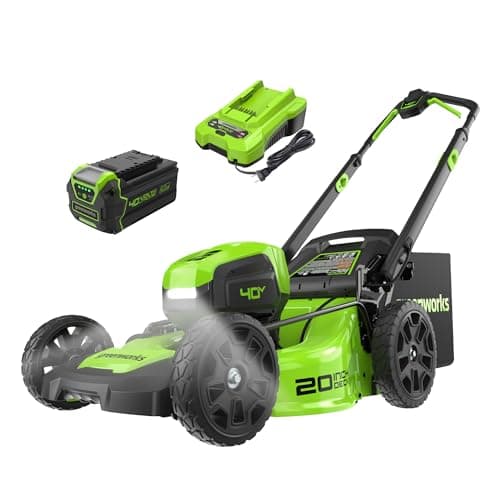
What size mower do I need for my yard?
Deck width and watt-hours by lawn size, with the mowing-time arithmetic for each.
guide
How much should I spend on a lawn mower?
Why we keep prices out of the page text, and the cost-per-watt-hour math to run instead.
guide
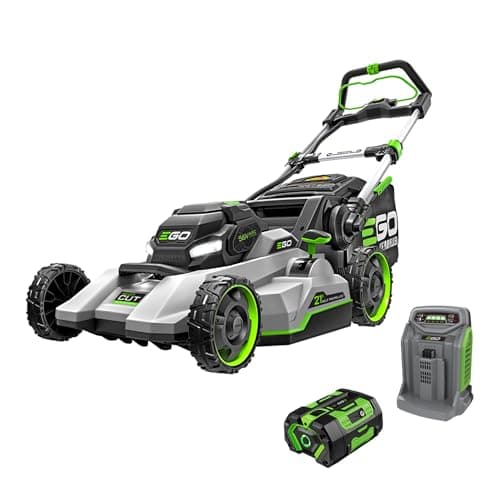
Are battery lawn mowers worth it?
Yes under about an hour of mowing, no above it without a second pack. The conditional answer.
Top pick
EGO Power+ 21" Select Cut LM2135SP
#ad Affiliate link. How we're funded
guide
Battery lawn mower maintenance: what is actually left to do
Five maintenance jobs removed, one added. The short list that remains, and the storage habits that matter.
Top pick
EGO Power+ 21" Select Cut LM2135SP
#ad Affiliate link. How we're funded
guide
Your first cordless yard kit, in the order to buy it
The buying order, why the mower sets the platform, and the watt-hours a full Saturday needs.
Top pick
EGO Power+ 21" Select Cut LM2135SP
#ad Affiliate link. How we're funded
guide
How many batteries do you actually need?
Lawn size to watt-hours to pack count, plus the sequential-versus-simultaneous distinction.
No photoTop pick
Ryobi 40V HP Brushless 21" Self-Propelled
#ad Affiliate link. How we're funded
comparison
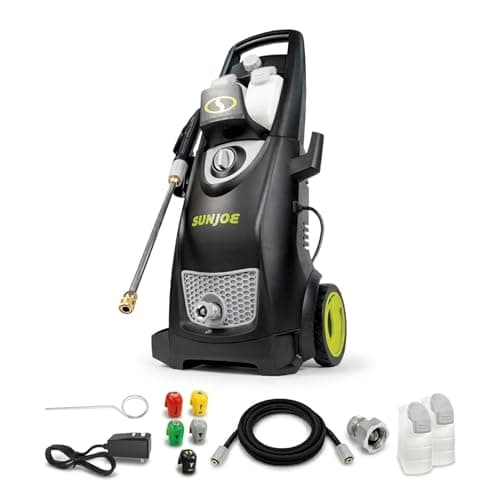
Corded or cordless: where a cord still wins
Duty cycle decides it. The two jobs where a cable still beats a pack, on published numbers.
Top pick
Sun Joe SPX3000 Electric Pressure Washer
#ad Affiliate link. How we're funded

guide
How to read a yard tool spec sheet (and what its silences mean)
Which figures are comparable, which are marketing, and what a missing spec tells you.
No photoTop pick
Toro 60V Max 21" Recycler Self-Propel (21356)
#ad Affiliate link. How we're funded
guide
What does it cost to charge a cordless yard kit?
A mower charge is 0.42 kWh. The season arithmetic at the EIA published average rate.
Top pick
EGO Power+ 21" Select Cut LM2135SP
#ad Affiliate link. How we're funded

guide
Yard tool safety, from the published guidance
CDC, CPSC and extension guidance for saws, washers and mowers, in one place.
No photoTop pick
EGO Power+ 18" Chain Saw CS1804
#ad Affiliate link. How we're funded
guide
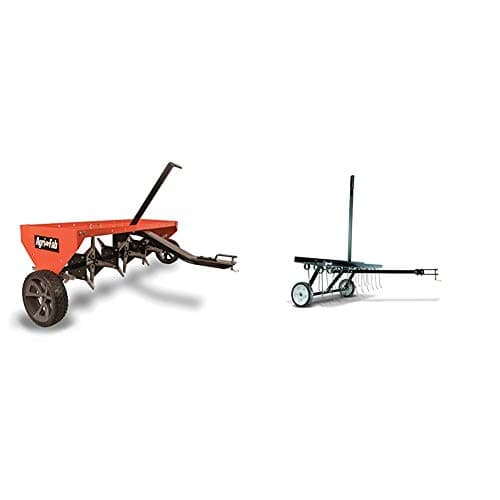
Which yard tools to rent instead of buying
Frequency, storage and whether you own a tow vehicle. The rent-or-buy test in three questions.
Top pick
Agri-Fab 48" Tow-Behind Plug Aerator (45-0299)
#ad Affiliate link. How we're funded
guide
The cordless yard kit for a small property
Fewer tools, smaller packs, one platform. What a small lot actually needs.

guide
Yard tool glossary: what every specification means
Watt-hours, CFM, MPH, PSI, GPM, pitch, gauge, kerf, swath and duty cycle, defined.
No photoTop pick
Toro 60V Max 21" Recycler Self-Propel (21356)
#ad Affiliate link. How we're funded
Head-to-head
DIY lawn care or hire a service: which should you actually do?
The trade is hours, not money. The DIY kit, the season's hours, and what a service is better at.
guide
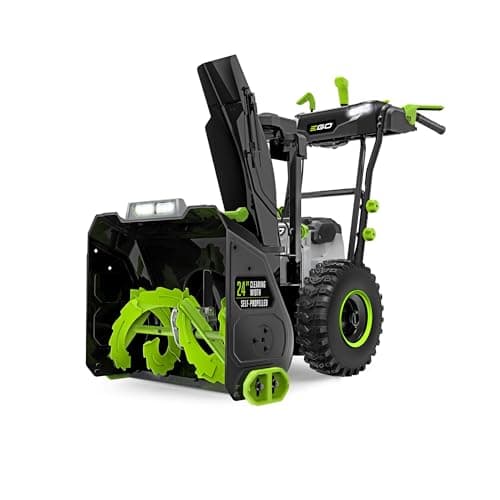
The winter yard tool handover, in order
Summer kit away, winter kit ready, and the last lawn jobs on their published timings.
Top pick
EGO Power+ 24" Two-Stage Snow Blower SNT2400
#ad Affiliate link. How we're funded

guide
A cordless yard tool kit for an acre
The mower decision at an acre, plus the trimmer and blower to go with it, sized in watt-hours.
No photoTop pick
Kobalt 80V Max 21" Self-Propelled (dual-port)
#ad Affiliate link. How we're funded
guide
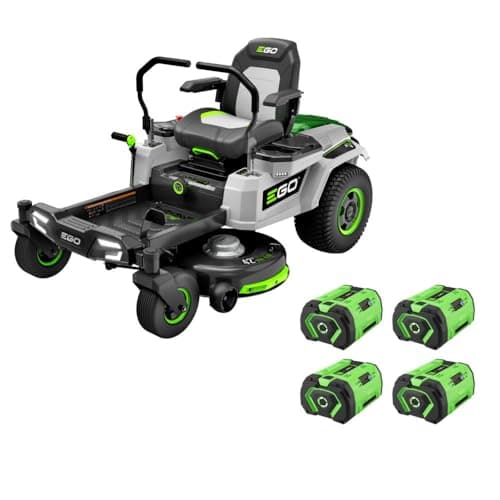
How much should you spend on a riding mower?
The watt-hours-per-acre figure that sizes a riding mower, and why expandable bays change the sum.
Top pick
EGO Power+ Z6 42" Zero Turn ZT4204L
#ad Affiliate link. How we're funded
guide
A maintenance schedule for a cordless yard kit
The published maintenance intervals across a cordless kit, on one calendar, with the blanks named.
Top pick
EGO Power+ 21" Select Cut LM2135SP
#ad Affiliate link. How we're funded
guide
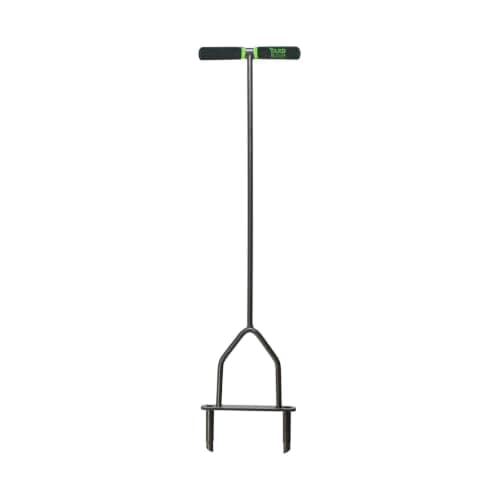
The best yard tools under $100
Where the hundred-dollar line actually falls in a yard, and the four tools worth buying below it.
Top pick
Yard Butler Lawn Coring Aerator (ID-6C)
#ad Affiliate link. How we're funded
guide
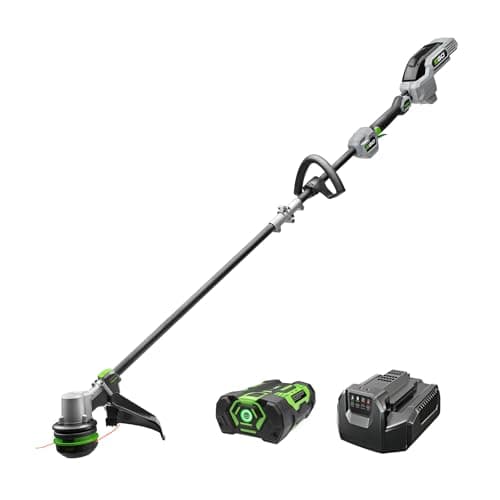
Yard tools for limited grip strength
Button reloads, foot pedals, leverage and the weight at arm's length -- the specs that decide whether a tool is usable.
Top pick
EGO Power+ 15" POWERLOAD Carbon Fiber ST1521S
#ad Affiliate link. How we're funded
guide
A cordless yard tool kit for a quarter acre
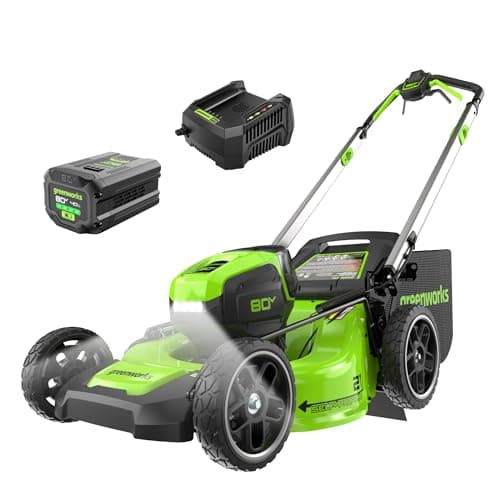
160 watt-hours of mowing energy, about 32 minutes of walking, and the three tools sized to it on one platform.
Top pick
Greenworks 80V 21" 4-in-1 LM2108S
#ad Affiliate link. How we're funded
guide
A cordless yard tool kit for a half acre
About 320 watt-hours and 63 minutes of mowing, against a best published single-pack claim of 60 minutes.
Top pick
EGO Power+ 21" Select Cut LM2135SP
#ad Affiliate link. How we're funded
Best Big-Yard Gift
Best gifts for someone with a big yard
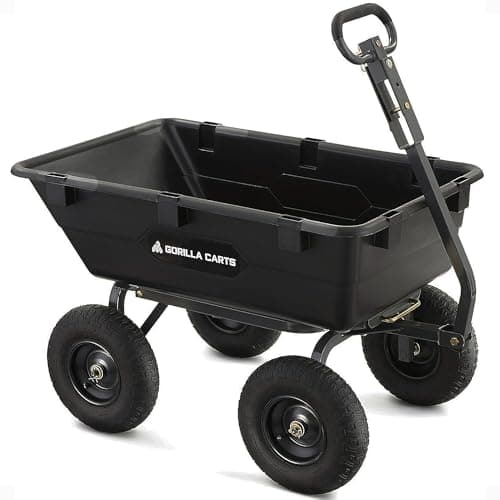
Published hopper, capacity and sweeping-width figures for the four hauling and tow-behind picks, and the acreage each starts to pay at.
Top pick
Gorilla Carts GOR6PS 6 cu ft Poly Dump Cart
#ad Affiliate link. How we're funded

Best Lawn-Nerd Gift
Best gifts for a lawn perfectionist
A lab soil test, a pre-calibrated spreader, a pH amendment with rate-by-pH guidance and a computable fertilizer -- the four things a keen lawn owner rarely buys themselves.
Best Labor-Removing Gift
Best gifts for someone who hates yard work
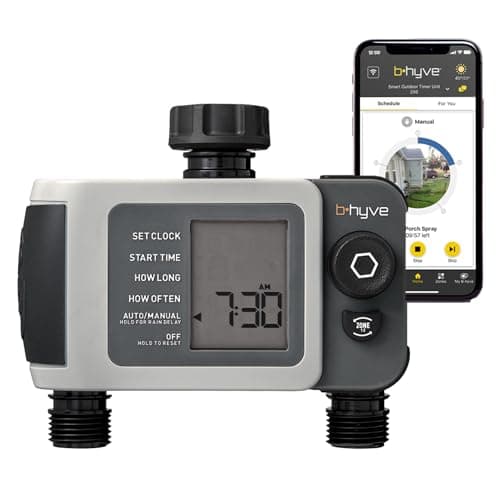
Published working area, hose capacity and port counts for four tools that delete a recurring chore rather than speed it up.
Top pick
Orbit B-hyve XD 2-Outlet Smart Hose Faucet Timer (24632)
#ad Affiliate link. How we're funded
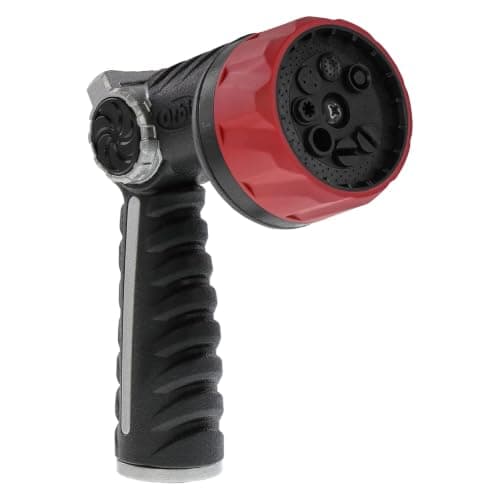
Best Gift Under $25
Best yard and garden gifts under $25
Five sub-$25 picks on published figures: a named-pattern nozzle, a computable fertilizer, a five-species seed mix and two sprinklers with real coverage numbers.
Top pick
Orbit Pro Series 8-Pattern Thumb Control Hose Nozzle (26812)
#ad Affiliate link. How we're funded
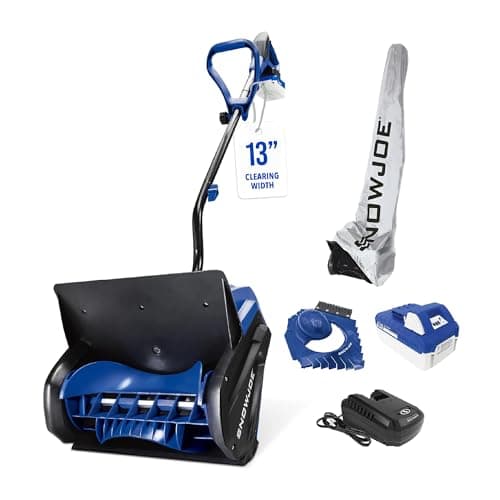
Best Snow Gift
Best gifts for someone who clears their own snow
Published clearing width, intake depth and throw distance across four cordless machines, and the driveway size each one actually suits.
Top pick
Snow Joe 24V-SS13 IONMAX 13" Cordless Snow Shovel
#ad Affiliate link. How we're funded
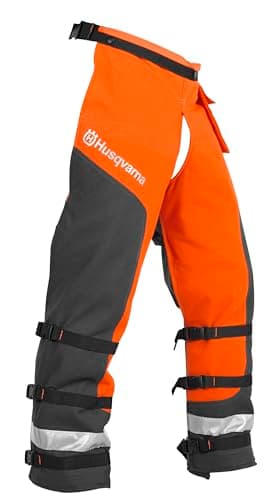
Best Firewood Gift
Best gifts for someone who cuts their own firewood
Published protection standards, splitter tonnage and cut capacities for four firewood picks, led by the safety purchase people rarely make themselves.
Top pick
Husqvarna Technical Apron Wrap Chainsaw Chaps
#ad Affiliate link. How we're funded
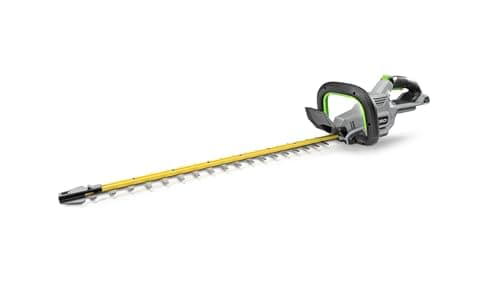
Best Hedge Gift
Best gifts for someone who keeps their own hedges
Published blade length, cut capacity, stroke rate and bare-tool weight across four hedge and pruning picks, and which reach problem each one solves.
Top pick
EGO Power+ 24" Hedge Trimmer HT2410
#ad Affiliate link. How we're funded
guide
A cordless yard tool kit for two acres
About 1,280 watt-hours of mowing energy, 252 minutes behind a 21 inch deck, and the two machines in the registry that claim two acres.
Top pick
EGO Power+ Z6 42" Zero Turn ZT4204L
#ad Affiliate link. How we're funded
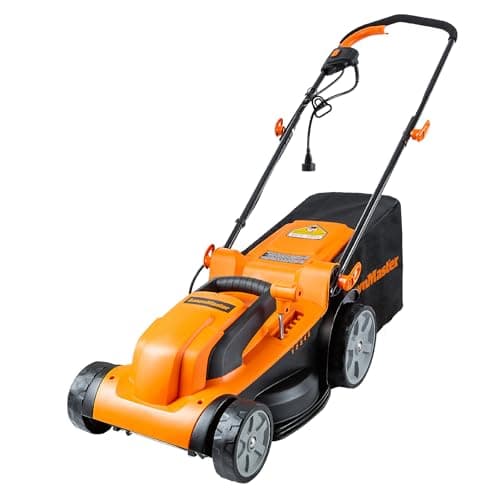
Best New-Homeowner Gift
Best gifts for new homeowners, without trapping them on a battery
Four platform-neutral gifts for someone with a new house and no tools -- a corded mower, a pressure washer, a snow shovel and a rake -- and why a bare battery tool is the gift to avoid.
Top pick
LawnMaster MEB1114K 15" 11-Amp Corded Electric Lawn Mower
#ad Affiliate link. How we're funded
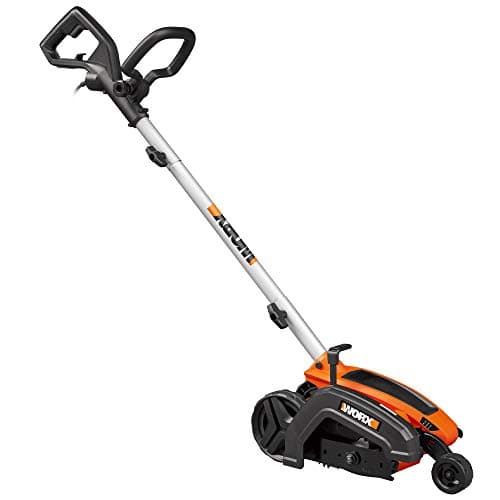
Best Yard-Work Gift
Best gifts for a dad who does his own yard work
Four one-pass tools for the dad who already owns the basics -- an edger, a leaf vacuum, a chipper and a surface cleaner -- all corded or attachment, so no battery guesswork.
Top pick
WORX WG896 12A 7.5" Electric Lawn Edger and Trencher
#ad Affiliate link. How we're funded
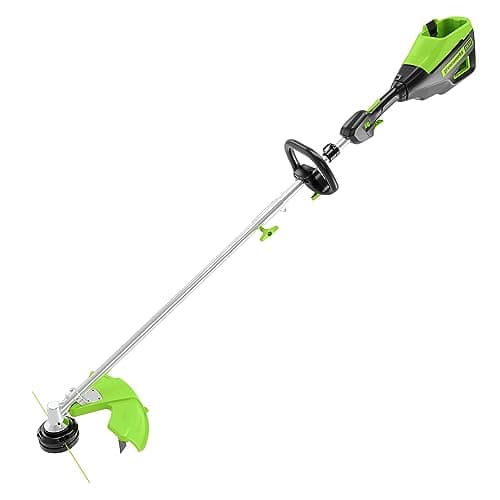
Best Gift for a Pro
Best gifts for landscapers, and why an attachment beats a tool
An attachment-capable power head, a brush cutter attachment, an edger attachment and a $17 rake -- the four gift shapes that work for someone who already owns the tools.
Top pick
Greenworks 80V 16" Attachment-Capable String Trimmer (2123802)
#ad Affiliate link. How we're funded
The four numbers everything else is built on
| Number | Value | Where it comes from |
|---|---|---|
| Push mower energy draw | ~4.0Wh per minute | Greenworks LM2054: 160Wh over a published 40 minutes |
| Self-propelled 21 in draw | ~7.5Wh per minute | Average of four mowers' published watt-hours over their own runtime claims |
| Riding mower energy | ~1,120Wh per acre | EGO Z6: 2,240Wh over a published 2 acres, cross-checked against its 3-acre claim |
| Blower on turbo | ~18.7Wh per minute | EGO LB7650: 280Wh over a published 15 minutes of turbo |
Every one of these is our division of two numbers the manufacturer published. None is a measurement we took, because we have not tested these units.
Those four figures let you size almost anything in the yard. Multiply your mowing time by the right rate, add 30% for wet or overgrown grass, and you have a watt-hour requirement that eliminates most of the market before you read a single review.
What is in this library
- What size mower do I need — deck width and watt-hours by lawn size, with the mowing-time arithmetic for a quarter acre through two acres.
- How much to spend — why we will not print a price, and the cost-per-watt-hour calculation to run instead.
- Are battery mowers worth it — yes under about an hour of mowing, and the honest case against above it.
- Mower maintenance — the five jobs going cordless removes and the one it adds.
The battery guides live in their own section
The deepest arithmetic on the site is in the platform section, because that is where the decade-long decision is made: 40V vs 80V explains why voltage is not the runtime variable, how long batteries last separates runtime-per-charge from lifespan-in-years, and the cost calculator works out the ten-year total that nobody else in this category publishes.
How these are written
Answer first, in the first forty to fifty-five words. Then the working, in full, so you can redo it with your own numbers. Then the edge cases, and an honest note about what we do not know — because on several of these questions the real answer is that nobody publishes the data, and saying so is more useful than filling the gap with something plausible.
Our methodology page sets out the whole approach, including where we are weakest and which publishers to read when you need hands-on data we cannot honestly provide.