Yard Tools
The tools you buy third and fourth. This is where a platform choice pays off or bites.
Affiliate disclosure: we earn a commission if you buy through our links, at no extra cost to you. It never changes which product we rank first — here is how we're funded.
These are the tools you buy third and fourth, and they are where a platform decision either pays off or bites. A chainsaw used hard for one afternoon after a storm and then ignored for four months is the worst possible profile for buying a dedicated battery.
Bought bare on a platform you already own, the same tool costs a fraction and runs on a pack that gets cycled regularly rather than ageing at full charge on a shelf all winter. That is the argument this whole section is built around.
It is also the section where runtime is best measured in work done rather than minutes — cuts through a 4x4, not "up to 45 minutes" — and one manufacturer publishes it that way.
In this section
53 pages under Yard Tools. Every recommendation is built from published specifications and arithmetic you can redo — we have not tested these units.

Best Chainsaw
Best cordless chainsaw for homeowners
Cuts per charge beats minutes on a chainsaw. The published figures and the energy-per-cut math.
No photoTop pick
EGO Power+ 18" Chain Saw CS1804
#ad Affiliate link. How we're funded
Best Pole Saw
Best cordless pole saw
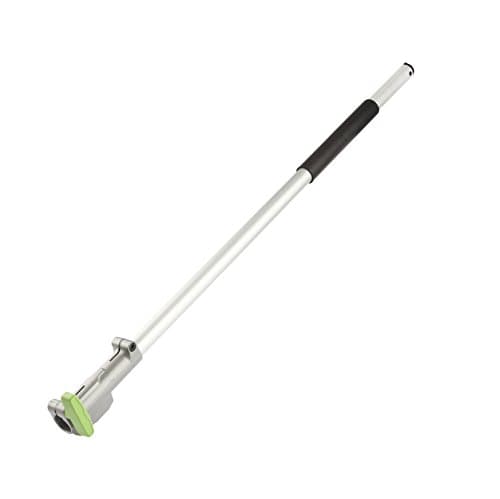
70 published cuts at 4.17 lb. The reach tool that keeps you off a ladder.
Top pick
EGO Power+ 10" Pole Saw Attachment PSA1000
#ad Affiliate link. How we're funded
Best Pressure Washer
Best pressure washer for a home yard
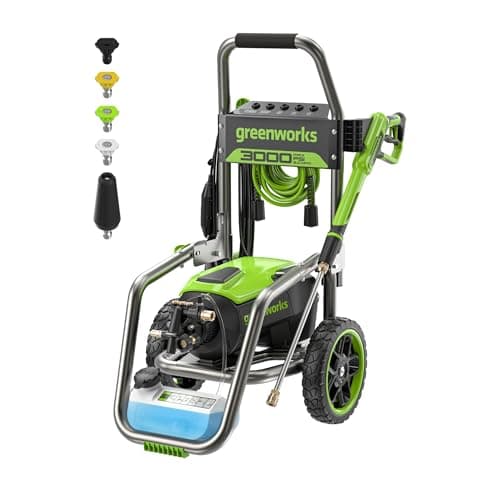
PSI x GPM is the cleaning-power number. Corded and cordless compared on both.
Top pick
Greenworks 60V 3000 PSI Cordless Pressure Washer
#ad Affiliate link. How we're funded
guide
How to choose a cordless chainsaw
Bar, chain, weight and work per charge, with energy per cut computed from published figures.
No photoTop pick
EGO Power+ 18" Chain Saw CS1804
#ad Affiliate link. How we're funded
guide
PSI, GPM and cleaning units: how to choose a pressure washer
Cleaning units computed for every washer here, plus gallons per charge on the cordless one.
Top pick
Greenworks 60V 3000 PSI Cordless Pressure Washer
#ad Affiliate link. How we're funded

Best Storm Cleanup Kit
Best cordless tools for storm cleanup
Saw, pole saw and blower on one battery family, with the energy budget for a cleanup day.
No photoTop pick
EGO Power+ 18" Chain Saw CS1804
#ad Affiliate link. How we're funded
Best for Firewood
Best cordless saw setup for cutting firewood
About 0.93 watt-hours per 4x4 cut, published. How to size a firewood setup from that.
No photoTop pick
EGO Power+ 18" Chain Saw CS1804
#ad Affiliate link. How we're funded
guide
Chainsaw chain explained: pitch, gauge and drive links
Pitch, gauge and drive link count -- the three numbers that decide what fits your saw.
No photoTop pick
EGO Power+ 18" Chain Saw CS1804
#ad Affiliate link. How we're funded
Head-to-head
Corded or cordless pressure washer: which should you buy?
6,000 cleaning units for 30 minutes against 2,436 that never stop. The published comparison.
Top pick
Greenworks 60V 3000 PSI Cordless Pressure Washer
#ad Affiliate link. How we're funded
guide
Cordless chainsaw safety
CDC protective equipment, distances and cutting practice, applied to a cordless saw.
No photoTop pick
EGO Power+ 18" Chain Saw CS1804
#ad Affiliate link. How we're funded
Head-to-head
Pole saw or chainsaw: which does your job need?
0.93 watt-hours per cut against 2.0, and 14.5 lb against 4.17. Height decides it.
No photoTop pick
EGO Power+ 18" Chain Saw CS1804
#ad Affiliate link. How we're funded
guide
Cordless chainsaw maintenance
Chain tension, bar lubrication and sharpness -- the whole job, and all three are safety items.
No photoTop pick
EGO Power+ 18" Chain Saw CS1804
#ad Affiliate link. How we're funded
guide
Pressure washer nozzles explained
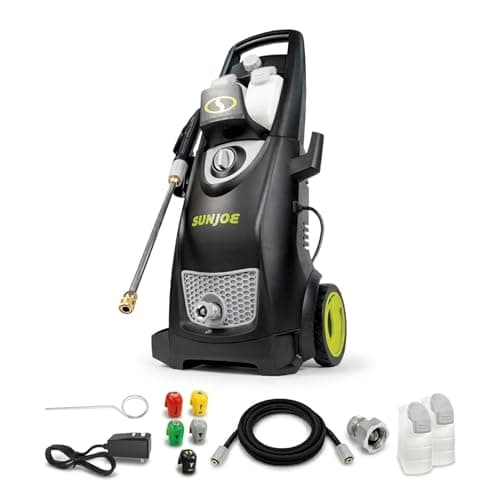
The tip number is a spray angle. Wider spreads the force; narrower concentrates it.
Top pick
Sun Joe SPX3000 Electric Pressure Washer
#ad Affiliate link. How we're funded
guide
How to pressure wash a driveway
Nozzle, overlap and runtime arithmetic, plus the CPSC electrical guidance.
Top pick
Greenworks 60V 3000 PSI Cordless Pressure Washer
#ad Affiliate link. How we're funded
guide
How to pressure wash a car safely
Wide tip, real standoff distance, soap dwell, and the places to keep the jet away from.
Top pick
Greenworks 60V 3000 PSI Cordless Pressure Washer
#ad Affiliate link. How we're funded
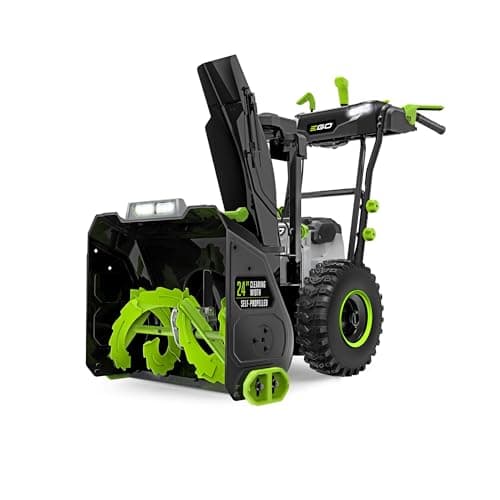
Best Snow Blower
Best cordless snow blower
Clearing width, intake height and driveway coverage, converted to watt-hours per car-space.
Top pick
EGO Power+ 24" Two-Stage Snow Blower SNT2400
#ad Affiliate link. How we're funded
guide
How to choose a cordless snow blower
Intake height, clearing width, throw distance and energy -- and the two specs nobody prints.
Top pick
EGO Power+ 24" Two-Stage Snow Blower SNT2400
#ad Affiliate link. How we're funded
Head-to-head
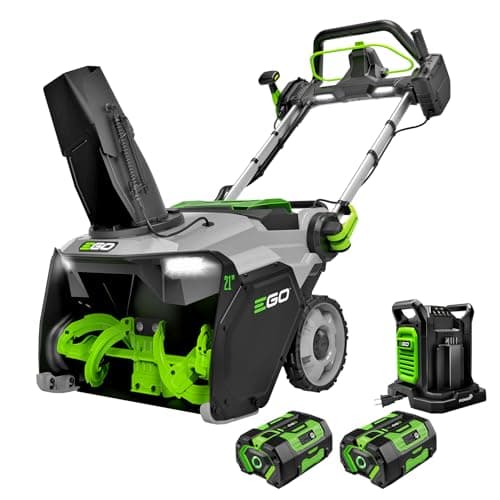
Single-stage or two-stage snow blower?
13 in of intake against 20, and a ground-contact auger against one that clears it.
Top pick
EGO Power+ 21" Single-Stage Snow Blower SNT2134
#ad Affiliate link. How we're funded
Best for Big Driveways
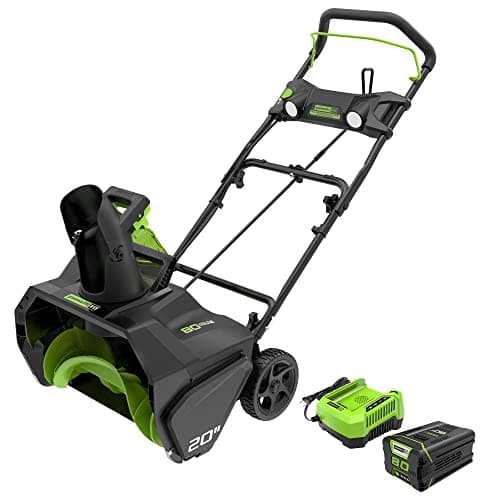
Best cordless snow blower for a large driveway
Coverage claims converted to car-spaces, and what a spare pair of packs actually adds.
Top pick
Greenworks 80V 24" Two-Stage Snow Blower SN80L620
#ad Affiliate link. How we're funded
Best for Gravel
Best cordless snow blower for a gravel driveway
Gravel rules out single-stage machines outright. The two-stage options and the reason why.
Top pick
Greenworks 80V 24" Two-Stage Snow Blower SN80L620
#ad Affiliate link. How we're funded
guide
How long will a cordless snow blower actually run?
No runtimes published anywhere. Coverage claims converted to about 50Wh per car-space.
Top pick
EGO Power+ 24" Two-Stage Snow Blower SNT2400
#ad Affiliate link. How we're funded
guide
Cordless snow blower maintenance
Auger, chute, skid shoes and storage -- what a gas schedule leaves behind.
Top pick
EGO Power+ 24" Two-Stage Snow Blower SNT2400
#ad Affiliate link. How we're funded
Head-to-head
Cordless or gas snow blower?
Cordless deletes the fuel schedule and starts instantly. What it does not publish is the catch.
Top pick
EGO Power+ 24" Two-Stage Snow Blower SNT2400
#ad Affiliate link. How we're funded
Best for Cars
Best pressure washer for washing a car
Published Eco modes and detergent systems, ranked for paintwork rather than for output.
Top pick
Greenworks 60V 3000 PSI Cordless Pressure Washer
#ad Affiliate link. How we're funded
Best Wheelbarrow
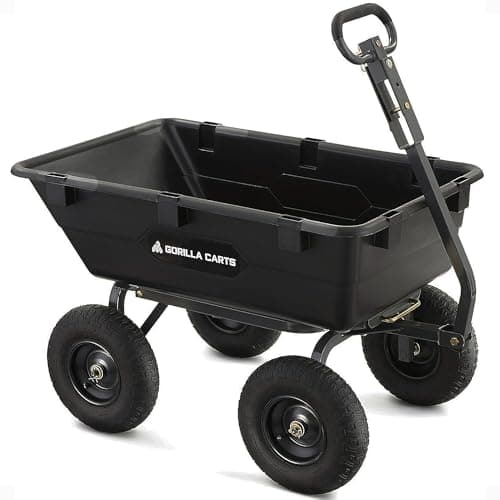
Best wheelbarrow
Load rating, bed volume and tire type for the two hauling tools that publish real numbers.
Top pick
Gorilla Carts GOR6PS 6 cu ft Poly Dump Cart
#ad Affiliate link. How we're funded
Best for Wet Snow
Best snow blower for heavy wet snow
Two-stage against single-stage on wet snow, with the impeller and energy figures that decide it.
Top pick
Greenworks 80V 24" Two-Stage Snow Blower SN80L620
#ad Affiliate link. How we're funded
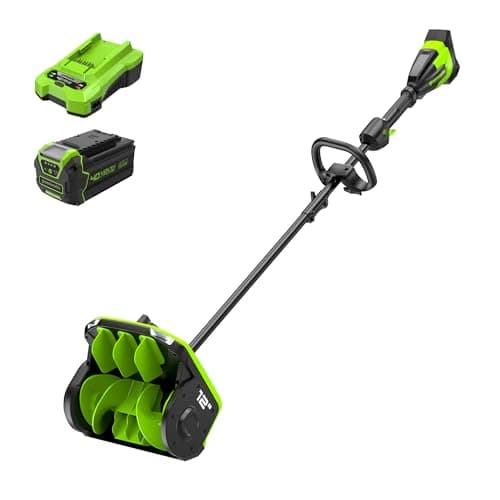
Best Snow Shovel
Best electric snow shovel
Clearing width, depth, throw and weight for two cordless shovels, and what the replacement model stopped publishing.
Top pick
Greenworks 40V 12" Cordless LED Snow Shovel (SS40L410)
#ad Affiliate link. How we're funded
Best for Decks
Best pressure washer for decks and fences
Cleaning units and eco modes for washing softwood, plus the nozzle rules that matter.
Top pick
Greenworks 60V 3000 PSI Cordless Pressure Washer
#ad Affiliate link. How we're funded
Best Log Splitter
Best log splitter for home use
Force, log capacity and cycle time for an electric splitter and a manual one.
No photoTop pick
YARDMAX YS0650 6-Ton Electric Log Splitter
#ad Affiliate link. How we're funded
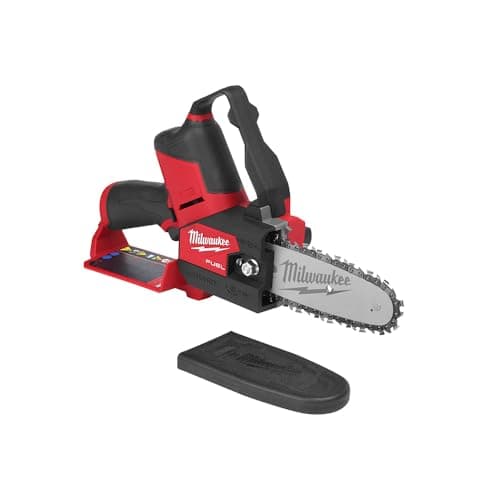
Best Mini Chainsaw
Best mini chainsaw
Bar length, cut capacity and cuts per charge for compact pruning saws, converted to energy per cut.
Top pick
Milwaukee M12 FUEL HATCHET 6" Pruning Saw (2527-20)
#ad Affiliate link. How we're funded
Best for Concrete
Best pressure washer for concrete
Cleaning units compared for flatwork, with the surface-cleaner case and the striping problem.
Top pick
Greenworks 60V 3000 PSI Cordless Pressure Washer
#ad Affiliate link. How we're funded
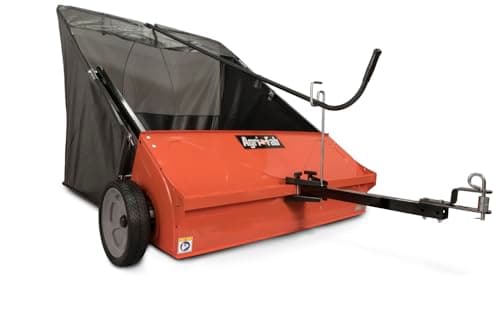
Best Lawn Sweeper
Best lawn sweeper
Hopper capacity, brush-to-wheel ratio and storage volume for two tow-behind sweepers.
Top pick
Agri-Fab 44" Tow-Behind Lawn Sweeper (45-0492)
#ad Affiliate link. How we're funded
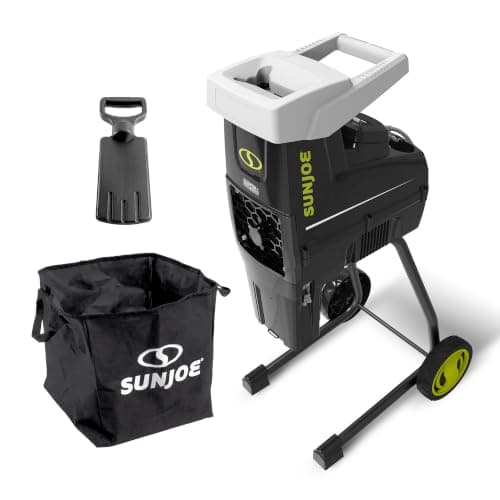
Best Wood Chipper
Best electric wood chipper
Reduction ratio, branch capacity, blade speed and published decibels on two corded chippers.
Top pick
Sun Joe CJ603E 15-Amp Electric Wood Chipper / Shredder
#ad Affiliate link. How we're funded
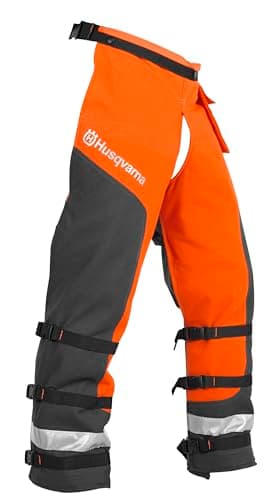
Best Chainsaw Chaps
Best chainsaw safety gear
Protective layers, shell denier and the four named standards behind two sets of chainsaw chaps.
Top pick
Husqvarna Technical Apron Wrap Chainsaw Chaps
#ad Affiliate link. How we're funded
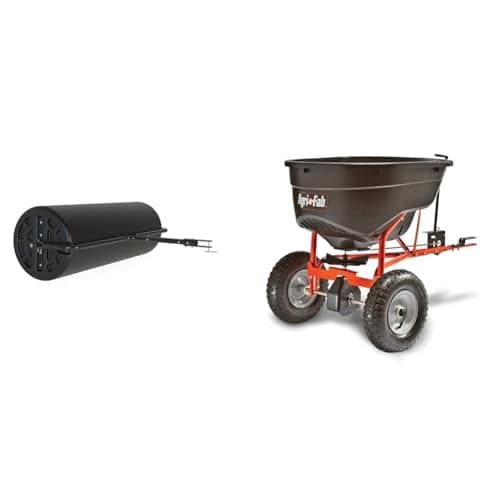
Best Lawn Roller
Best lawn roller
Filled and empty weights, drum sizes and load per inch for two tow-behind lawn rollers.
Top pick
Agri-Fab 18" x 48" Poly Tow-Behind Lawn Roller (45-0604)
#ad Affiliate link. How we're funded
Best for Siding
Best pressure washer for siding
Cleaning units, detergent capacity and working radius for washing a house, and the PSI figure nobody publishes.
Top pick
Sun Joe SPX3000 Electric Pressure Washer
#ad Affiliate link. How we're funded
roundup
Sun Joe SPX3000 review
A specification review: 2,436 cleaning units, two 0.9 L tanks, and a certified-versus-max PSI discrepancy.
Top pick
Sun Joe SPX3000 Electric Pressure Washer
#ad Affiliate link. How we're funded
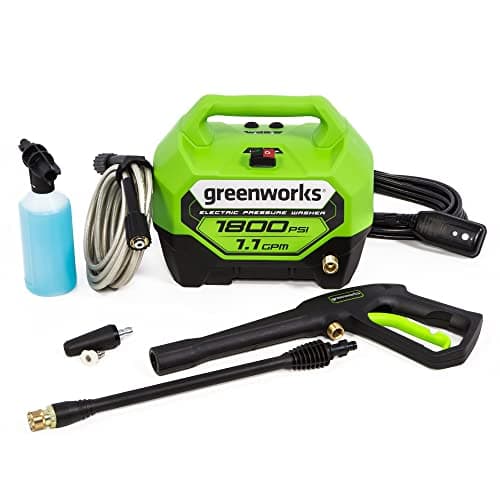
guide
Is a pressure washer worth it?
What the pressure gap over a garden hose actually buys, and the job count that makes owning one pay.
Top pick
Greenworks GPW1800 1800 PSI Corded Pressure Washer (PWMA Certified)
#ad Affiliate link. How we're funded
Best for Pavers
Best pressure washer for patios and pavers
Cleaning units, nozzle sets and the 30-degree rule two paver makers publish for protecting joint sand.
Top pick
Greenworks GPW1800 1800 PSI Corded Pressure Washer (PWMA Certified)
#ad Affiliate link. How we're funded
comparison
Electric snow shovel vs snow blower
Clearing width, clearing depth and throw distance for cordless snow shovels against a single-stage blower.
Top pick
EGO Power+ 21" Single-Stage Snow Blower SNT2134
#ad Affiliate link. How we're funded
Head-to-head
Sun Joe SPX3000 vs Greenworks GPW1800
2,436 cleaning units against 1,980, 55 ft of working radius against 60, and the certification only one of them carries.
Top pick
Sun Joe SPX3000 Electric Pressure Washer
#ad Affiliate link. How we're funded
Head-to-head
Sun Joe CJ603E vs CJ601E
A slow crusher against a high-speed blade: 21:1 against 16:1, 94 dB against 108, and 39 lb against 25.4.
Top pick
Sun Joe CJ603E 15-Amp Electric Wood Chipper / Shredder
#ad Affiliate link. How we're funded
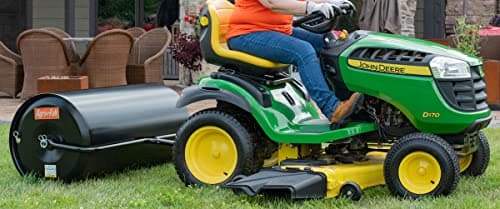
Head-to-head
Poly vs steel lawn rollers
11.5 lb per linear inch against 19.0, the empty weight that decides storage, and the gallon figures we had to derive.
Top pick
Agri-Fab 24" x 48" Steel Tow-Behind Lawn Roller (45-0216)
#ad Affiliate link. How we're funded
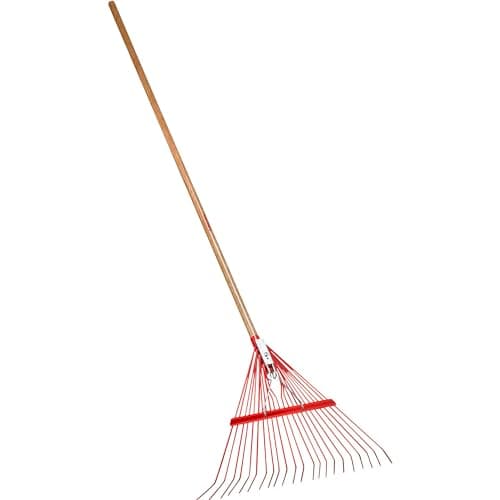
Best Leaf Rake
Best leaf rakes, and the spec problem in this whole category
Two maker-published rakes, the raking arithmetic that says when to stop, and the retailer tine counts that disagree by a factor of three.
Top pick
Corona RK 24002 Spring Brace Rake, 22 in
#ad Affiliate link. How we're funded
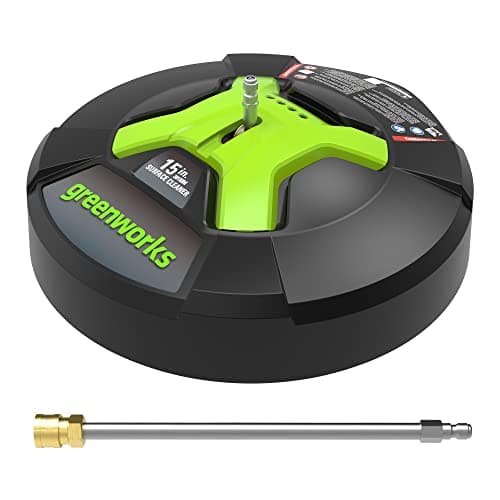
Best Surface Cleaner
Best pressure washer surface cleaner, matched to the machine you own
Published PSI ceilings, the one GPM rating any maker states, and the flow arithmetic that decides whether the head spins at design speed.
Top pick
Greenworks 15" Surface Cleaner with 12" Wand Extension
#ad Affiliate link. How we're funded
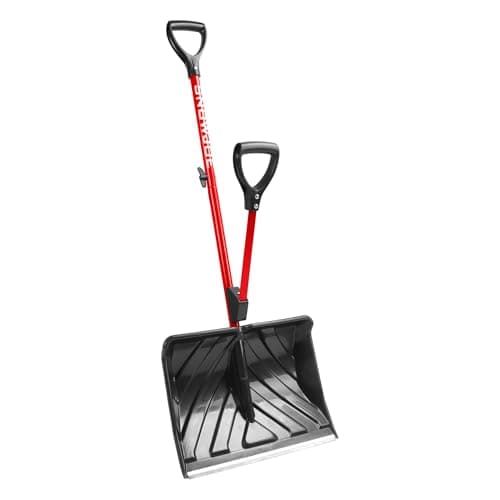
Best Manual Snow Shovel
Best snow shovels, and why this category cannot be shopped on specs
Three manual snow tools whose makers publish something, the lift-versus-push arithmetic, and the spec contradictions we found on the manufacturers' own pages.
Top pick
Snow Joe Shovelution SJ-SHLV01 Spring-Assist Snow Shovel, 18 in
#ad Affiliate link. How we're funded
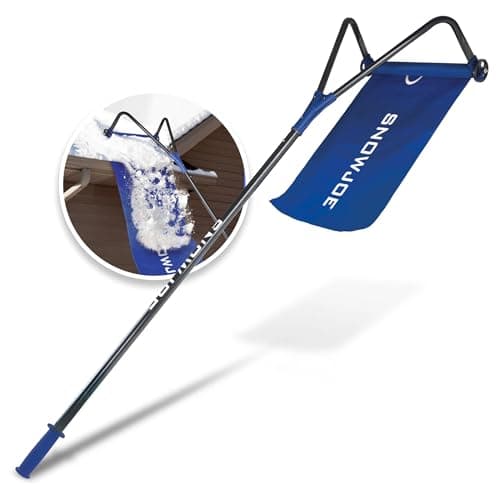
Best Roof Rake
Best roof rakes, and the reach figures that do not agree
The two roof rakes whose maker publishes specs, ranked on reach and weight at extension -- plus the three contradictory reach figures on one product page.
Top pick
Snow Joe RJ208M Roof Rake with 20 ft Debris Slide
#ad Affiliate link. How we're funded
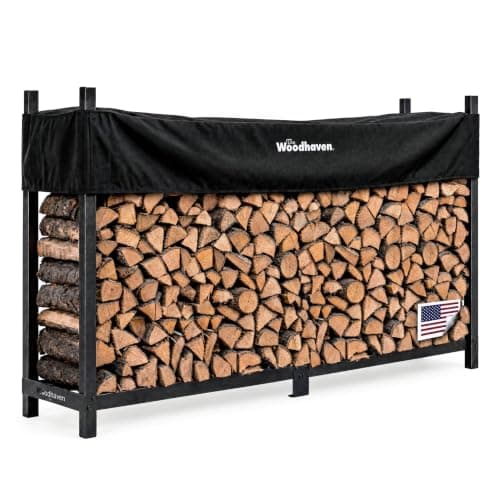
Best Firewood Rack
Best firewood racks, and what a half-cord claim really assumes
Three racks on published gauge, dimensions and warranty, with the cubic-foot arithmetic behind every half-cord claim worked out in full.
Top pick
Woodhaven 8 ft Firewood Rack with Cover (WR8)
#ad Affiliate link. How we're funded
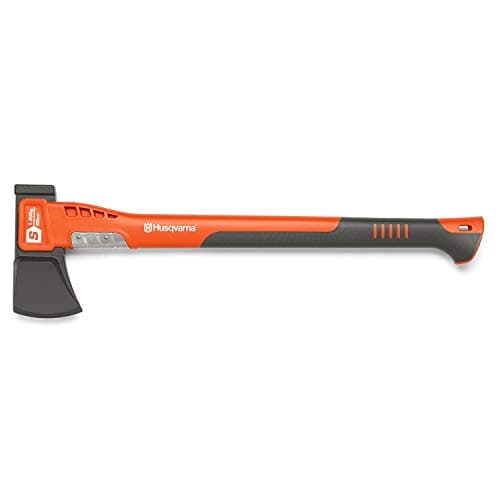
Best Splitting Axe
Best splitting axes, ranked on the specs makers will admit to
Four manual splitting tools on published head weight, edge width and length, with the head-to-total weight ratio worked out and the sourcing wall named.
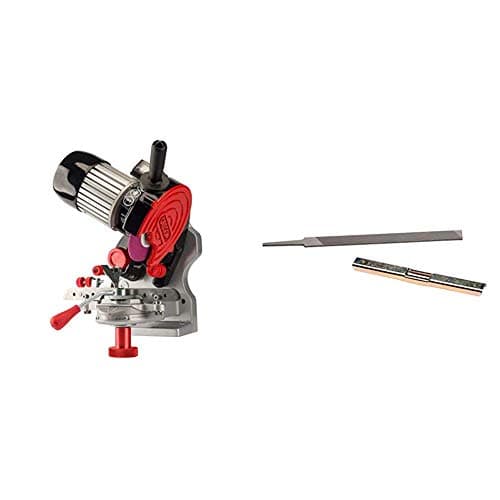
Best Chainsaw Sharpener
Best chainsaw sharpeners, and which one your volume justifies
Bench grinder, bar-mounted jig and pocket file kit compared on what each actually controls, with the break-even against paying a shop worked out.
Top pick
Oregon Professional Compact 120V Bench Chain Grinder (410-120)
#ad Affiliate link. How we're funded
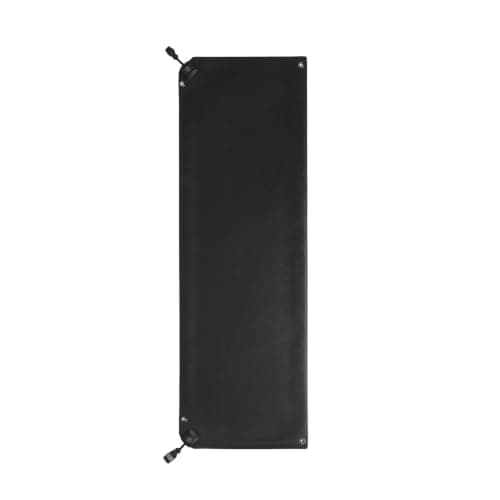
Best Snow Melting Mat
Best snow melting mats, and the part the price does not include
Heated walkway and stair mats on published melt rate, amp draw and the 13-amp circuit limit -- with the separately sold power unit and the running cost worked out.
Top pick
HeatTrak Heated Walkway Mat, 20 in x 60 in (HR20-60)
#ad Affiliate link. How we're funded
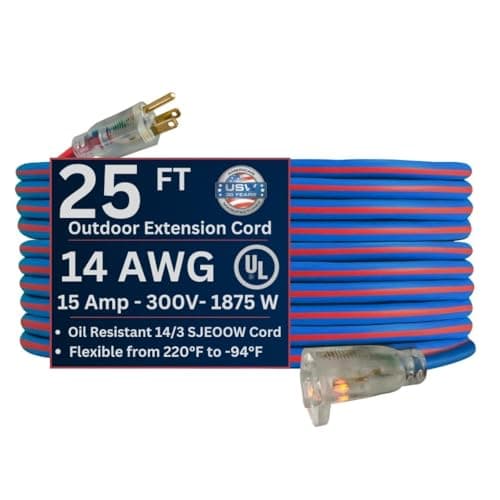
Best Outdoor Extension Cord
Best outdoor extension cords, by the numbers makers actually print
Three outdoor cords on published cold rating, gauge and amp capacity, with the 14-gauge-versus-12-gauge derate at 100 ft shown from the maker's own table.
Top pick
US Wire EXTREME All-Weather Cord, 14/3 x 25 ft (98025)
#ad Affiliate link. How we're funded
comparison
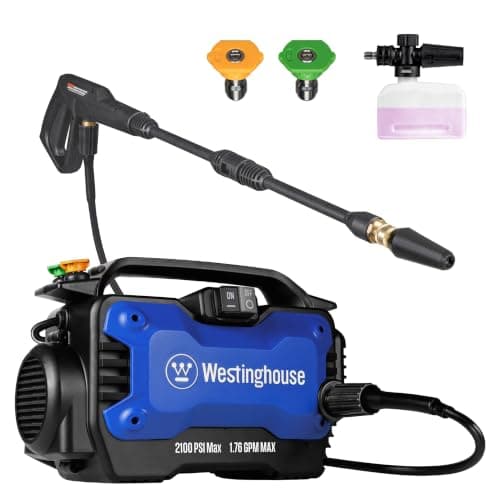
Pressure washer brands compared: the max PSI number is not the machine
Westinghouse, Sun Joe and Greenworks compared on disclosure rather than output: which of max PSI, max GPM, rated PSI and rated GPM each one publishes, and what the gap costs you.
Top pick
Westinghouse ePX3100s Electric Pressure Washer
#ad Affiliate link. How we're funded
Work per charge beats runtime
A minutes figure would tell you nothing here, because most of a chainsaw session is not cutting. Cuts-per-charge lets you plan: 100 cuts of similar stock needs about 93Wh, so a small pack covers it with margin. The chainsaw page works it through.
Check the consumable before you buy the tool
Chain pitch, gauge and drive-link count decide whether a replacement is a commodity you can buy locally or something you order and wait for — in the middle of a job. The CS1804's 3/8-inch pitch, 0.050-inch gauge, 62-link chain is the most common combination there is. That is worth more than it sounds.
Attachment or dedicated tool
| Your situation | Buy | Why |
|---|---|---|
| Already own a multi-head power head | The attachment | Cheapest capable option, runs on packs you own |
| On the platform, no power head | The combo kit | A head that drives three tools earns its place; one bought for a single attachment does not |
| On a different platform | A dedicated tool on your platform | Do not buy into a second platform for one tool |
| One branch, once | Neither | An afternoon of an arborist's time costs less than a tool you use once |
The same logic applies to the edger attachment in the trimmers section. It is the clearest example on the site of a tool whose value depends almost entirely on what you already own.
Pressure washers are the exception
One tool here does not follow the platform logic. Pressure washing is already tethered to a hose, so a power cord is much less of an imposition than it would be on a mower. And the cleaning-power arithmetic is unforgiving:
That result is only visible because Greenworks publishes real numbers for its Eco mode rather than just naming it. The full comparison is here, including which nozzle does what and the surfaces a pressure washer will happily destroy.
Safety is not a specification
These are the tools in the shed with real injury potential. Two rules are worth stating even though they are not specs: never operate a chainsaw from a ladder — that is what a pole saw is for — and remove the battery before touching a chain, because a cordless tool has no engine that has stopped.