Affiliate disclosure: we earn a commission if you buy through our links, at no extra cost to you. It never changes which product we rank first — here is how we're funded.
Cutting the grass is about a third of the job. This section is the other two thirds: getting product onto the soil evenly, and getting air and water into soil that has stopped accepting either.
It is also the section with the worst naming problem on the site. Retail listings file dethatchers, scarifiers and spike rollers under "aerator", and they solve completely different problems. One published number separates them immediately, and almost nobody quotes it.
The tools here are simple machines, which is good news: the specifications genuinely tell you everything, and the arithmetic is straightforward.
In this section
47 pages under Lawn Care. Every recommendation is built from published specifications and arithmetic you can redo — we have not tested these units.
Best Spreader
Best lawn spreader for fertilizer and seed
Spread width decides how long the job takes. The passes-per-lawn math, worked out.
Best Aerator
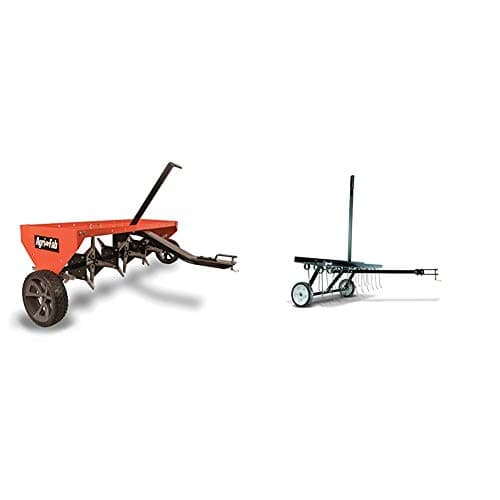
Best lawn aerator (and why most of them are not aerators)
Core aeration pulls 2-3 inch plugs; dethatchers work at 0.4 inches. Which one you need.
Top pick
Agri-Fab 48" Tow-Behind Plug Aerator (45-0299)
#ad Affiliate link. How we're funded

guide
Doing your own lawn care: what to do, and when
Four jobs, the right order, the right season. The sequence matters more than the equipment.
guide
How to overseed a lawn
Published extension seeding rates, the late-summer window, and the passes-per-lawn arithmetic.
guide
Spreader settings: how to calibrate instead of guessing
Calibrate a spreader by weight in twenty minutes, with the passes and rate arithmetic.
Head-to-head
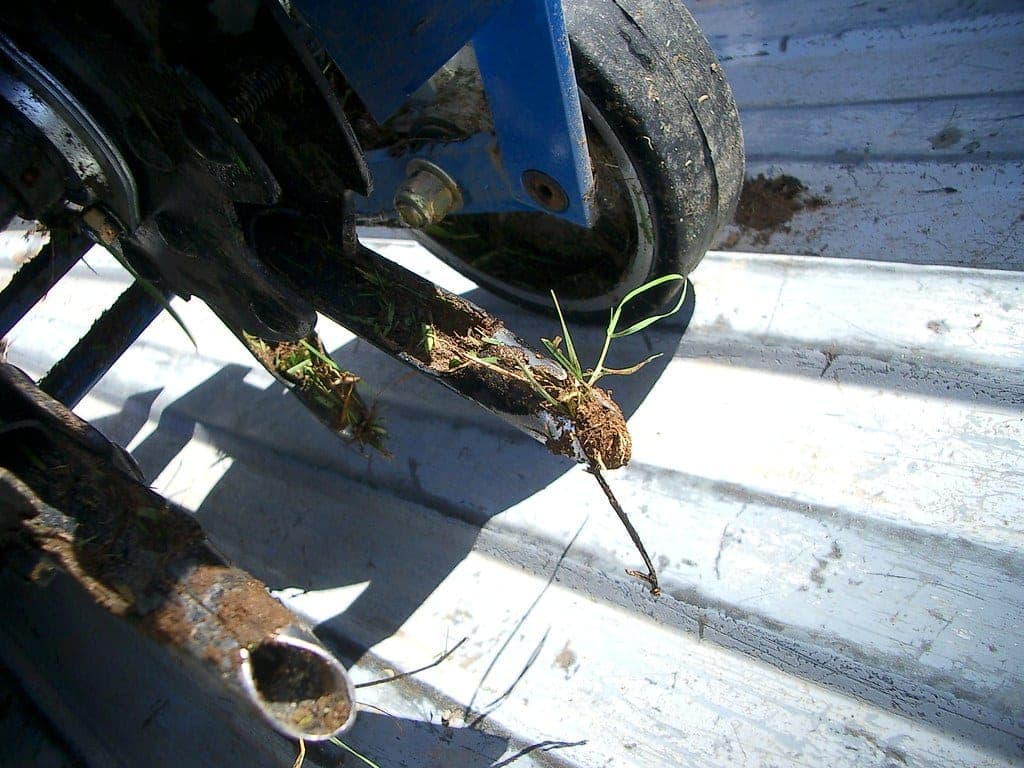
Dethatching vs aerating: they solve different problems
Thatch or compaction, how to tell which you have, and the published depths that decide the tool.
No photoTop pick
Sun Joe AJ801E Dethatcher + Scarifier
#ad Affiliate link. How we're funded
guide
How to measure your lawn (and why every other decision needs it)
Three methods for an irregular lawn, plus the sq ft to acres conversions everything else needs.
guide
How much should you water a lawn?
Once a week or less, to a six inch soil depth, in the morning. The catch-can method explained.
Top pick
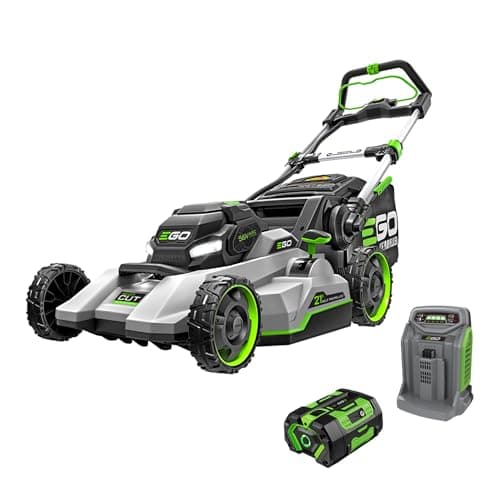
EGO Power+ 21" Select Cut LM2135SP
#ad Affiliate link. How we're funded
guide
What the three numbers on a fertilizer bag mean
N-P-K decoded, UMN's published nitrogen rates, and the maths that turns a bag into pounds.
guide
Cool-season grass types, and how to tell which you have
Published mowing heights, nitrogen rates and tolerances for each cool-season species.
Top pick
EGO Power+ 21" Select Cut LM2135SP
#ad Affiliate link. How we're funded
guide
Soil testing for lawns, step by step
4 inches deep, 8 to 10 locations, every three to five years. What the report tells you.
guide
Lawn weed control starts with the lawn
Weeds signal a condition. The cultural fixes, and the published timing windows.
Top pick
EGO Power+ 21" Select Cut LM2135SP
#ad Affiliate link. How we're funded
guide
Moss and shady lawns
Mow an inch higher, water deeply, switch to fine fescues, and know when to plant something else.
Top pick
EGO Power+ 21" Select Cut LM2135SP
#ad Affiliate link. How we're funded
guide
What to do with grass clippings
Worth one fertilizer application a year, and no cause of thatch. Return, mulch or compost.
Top pick
EGO Power+ 21" Select Cut LM2135SP
#ad Affiliate link. How we're funded
guide
Fall lawn care, in the order the guidance puts it
Aeration, seeding, weeds and most feeding all land between late August and mid-October.
Top pick
Agri-Fab 48" Tow-Behind Plug Aerator (45-0299)
#ad Affiliate link. How we're funded
Best Dethatcher
Best lawn dethatcher
Measure first: half an inch is the threshold. Published depths, and the two-cylinder machine.
No photoTop pick
Sun Joe AJ801E Dethatcher + Scarifier
#ad Affiliate link. How we're funded
Best for Clay Soil
Best lawn aerator for clay and compacted soil
Clay needs downforce, not tines. The 175 lb weight tray is the spec that answers it.
Top pick
Agri-Fab 48" Tow-Behind Plug Aerator (45-0299)
#ad Affiliate link. How we're funded
Best Small-Lawn Spreader
Best fertilizer spreader for a small lawn
Broadcast against drop on a small bordered lot, and why hopper size can be a liability.
Best Garden Hose
Best garden hose
Working pressure, temperature limits and carry weight for the two hoses that publish them.
No photoTop pick
ELEY 5/8" Polyurethane Garden Hose
#ad Affiliate link. How we're funded
Best Lawn Sprinkler
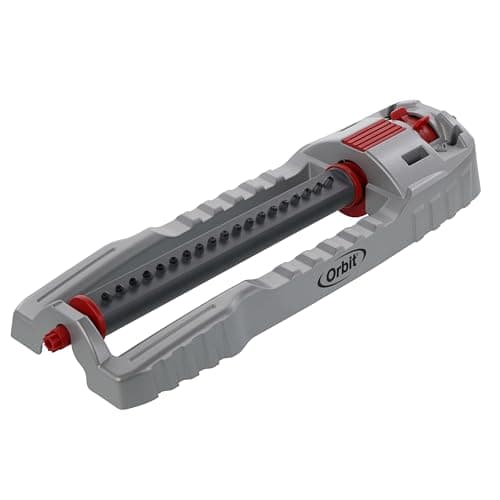
Best lawn sprinkler
Coverage, throw and pattern for three sprinkler types, with the circle-area check on each claim.
Top pick
Orbit Pro Series 4,000 sq ft Metal Gear-Drive Oscillating Sprinkler (56281)
#ad Affiliate link. How we're funded
Best Grass Seed
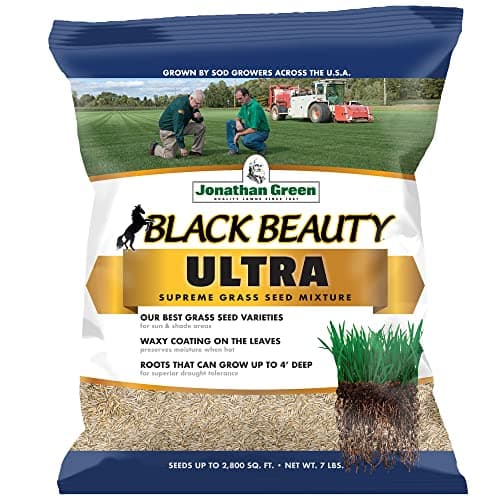
Best grass seed
Coverage claims converted to pounds per 1,000 sq ft, checked against Extension seeding rates.
Top pick
Jonathan Green Black Beauty Ultra Grass Seed
#ad Affiliate link. How we're funded
Best Weed Puller
Best weed puller
Stand-up weeders on published height, weight and ejection, with the Extension case for pulling.
No photoTop pick
Yard Butler Rocket Weeder (IRKT-1000)
#ad Affiliate link. How we're funded
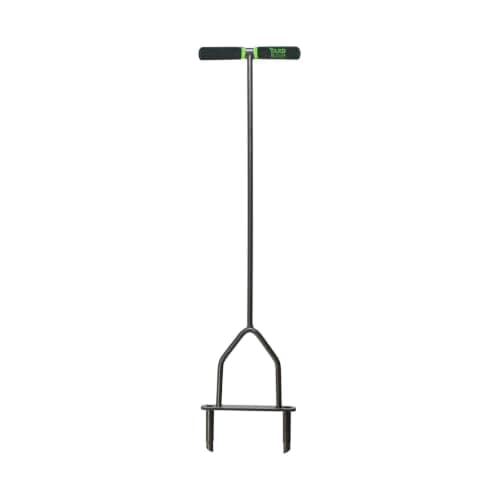
Best Manual Aerator
Best manual aerator for a small lawn
Step-on coring against a tow-behind, with steps-per-1,000-sq-ft worked out.
Top pick
Yard Butler Lawn Coring Aerator (ID-6C)
#ad Affiliate link. How we're funded
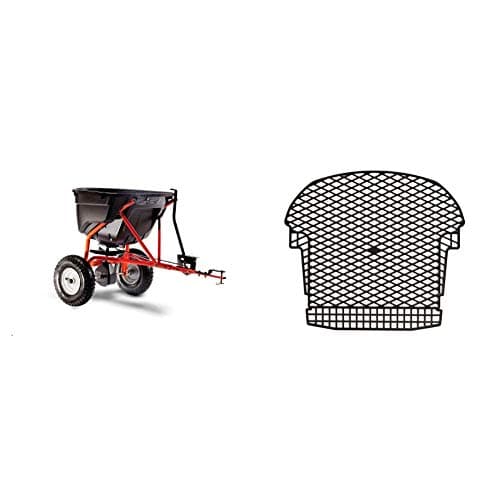
Best Tow-Behind Spreader
Best tow-behind spreader
130 lb tow hopper against an 80 lb push hopper, converted to area covered per fill.
Top pick
Agri-Fab 130 lb Tow Spreader (45-0463)
#ad Affiliate link. How we're funded
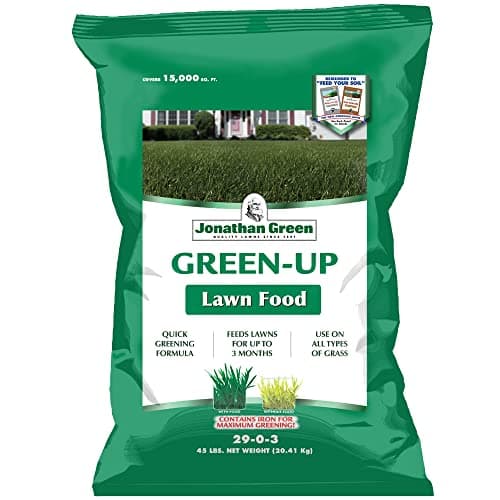
Best Lawn Fertilizer
Best lawn fertilizer
Analysis and coverage converted to pounds of nitrogen per 1,000 sq ft, against the Extension limit.
Top pick
Jonathan Green Veri-Green Nitrogen Rich Lawn Fertilizer (29-0-3)
#ad Affiliate link. How we're funded
Best Hose Reel
Best garden hose reel
Hose capacity, pressure rating and rewind method for a crank reel and an automatic one.
No photoTop pick
ELEY Wall Mount Garden Hose Reel (Model 1041)
#ad Affiliate link. How we're funded
Best Combo Tool
Best dethatcher and aerator combo
Working depths compared: what a combo dethatcher reaches against what core aeration requires.
No photoTop pick
Sun Joe AJ801E Dethatcher + Scarifier
#ad Affiliate link. How we're funded
Best Lawn Care Kit
Best lawn care products
Five purchases that cover fertilizing, seeding, spreading, aerating and watering.
Top pick
Jonathan Green Veri-Green Nitrogen Rich Lawn Fertilizer (29-0-3)
#ad Affiliate link. How we're funded
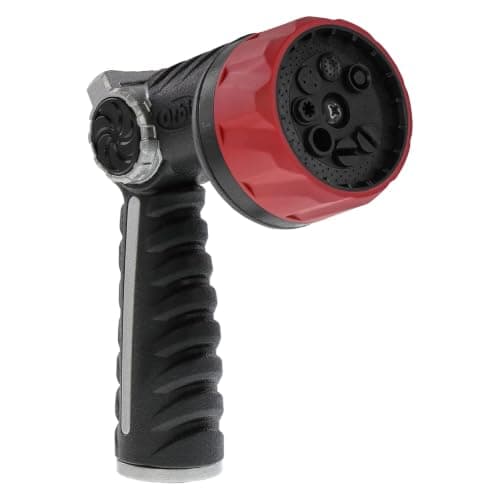
Best Hose Nozzle
Best hose nozzle
Two metal hose nozzles on published specs, and the three patterns you will actually use.
Top pick
Orbit Pro Series 8-Pattern Thumb Control Hose Nozzle (26812)
#ad Affiliate link. How we're funded
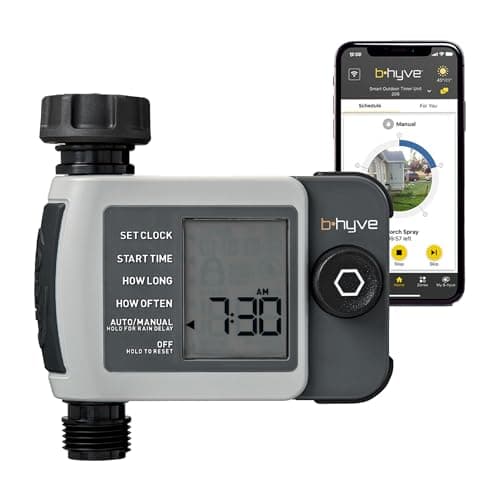
Best Hose Timer
Best hose timer
Pressure range, ingress rating and what the hub actually adds, on two Orbit B-hyve XD timers.
Top pick
Orbit B-hyve XD 1-Outlet Smart Hose Faucet Timer (24511)
#ad Affiliate link. How we're funded
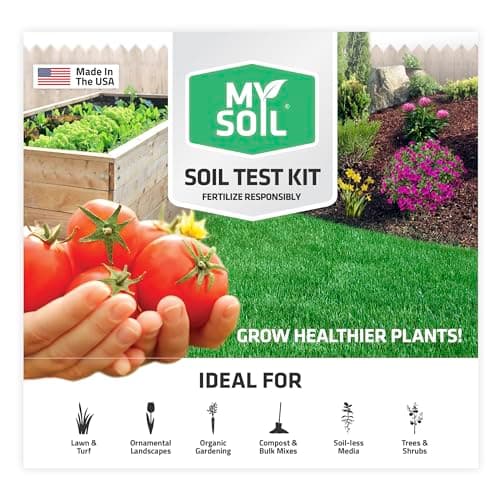
Best Soil Test Kit
Best soil test kit
Two mail-in lab kits on nutrients reported, nitrogen detail, turnaround and recommendations.
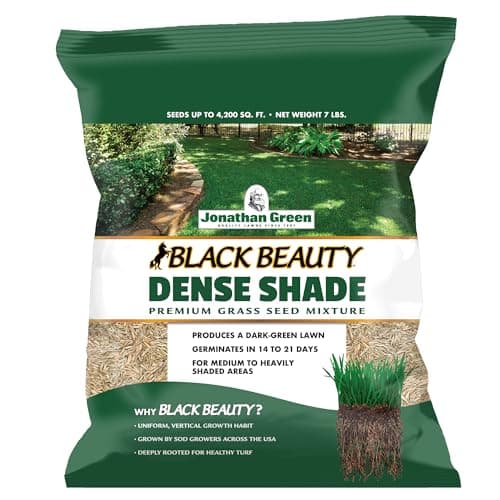
Best Shade Grass Seed
Best grass seed for shade
Shade tolerance, sunlight hours and seeding rates for three cool-season mixes under trees.
Top pick
Jonathan Green Black Beauty Dense Shade Grass Seed
#ad Affiliate link. How we're funded
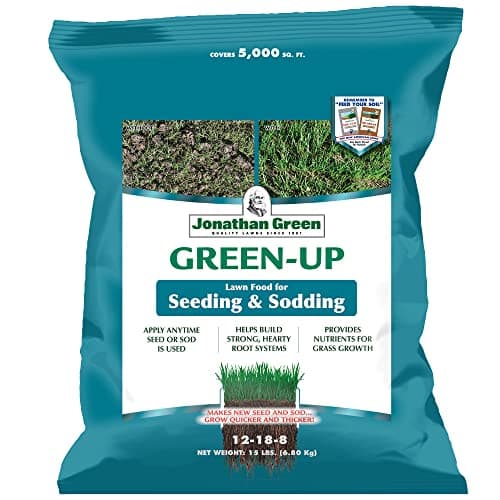
Best Starter Fertilizer
Best fertilizer for new grass
Starter versus lawn food on published analyses, with the nitrogen and phosphate arithmetic per 1,000 sq ft.
Top pick
Jonathan Green Veri-Green Starter Fertilizer for Seeding & Sodding (12-18-8)
#ad Affiliate link. How we're funded
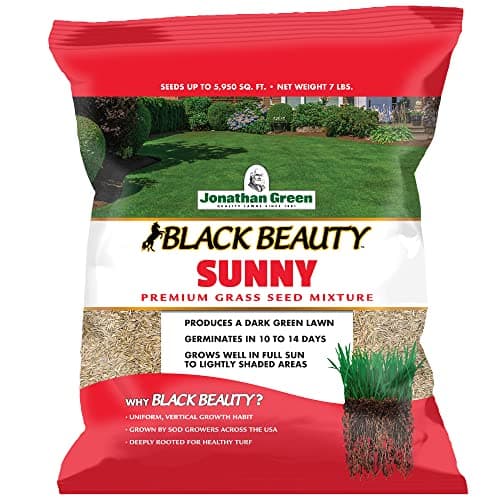
Best Full-Sun Grass Seed
Best grass seed for full sun
Sunlight hours, germination speed, soil temperature and seeding rates for three open-lawn mixes.
Top pick
Jonathan Green Black Beauty Sunny Grass Seed
#ad Affiliate link. How we're funded
Best Value Spreader
Best fertilizer spreader for the money
Spread width and hopper capacity converted into passes and refills, which is what a spreader actually saves you.
guide
Watering a new lawn
Germination windows from three seed makers, and the watering pattern that has to change once they close.
Top pick
Orbit B-hyve XD 1-Outlet Smart Hose Faucet Timer (24511)
#ad Affiliate link. How we're funded
Head-to-head
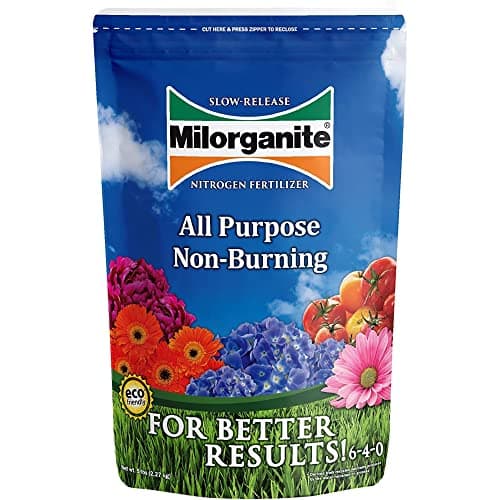
Milorganite vs Scotts Turf Builder
0.77 lb of nitrogen per 1,000 sq ft against 0.80, one from the maker's own weight and one from the retailer's, plus the phosphorus question.
Top pick
Milorganite Slow-Release Nitrogen Fertilizer (6-4-0)
#ad Affiliate link. How we're funded
Best for Odd Shapes
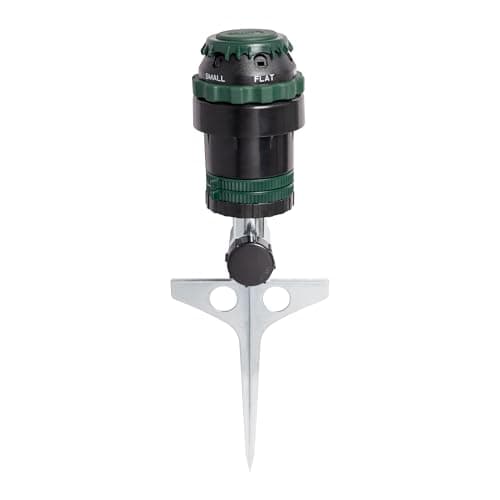
Best sprinklers for an odd-shaped lawn
Adjustable arcs, the circle-area arithmetic behind every coverage claim, and why a rectangle is the wrong shape here.
Top pick
Orbit H2O-Six Gear Drive Sprinkler Head
#ad Affiliate link. How we're funded
guide
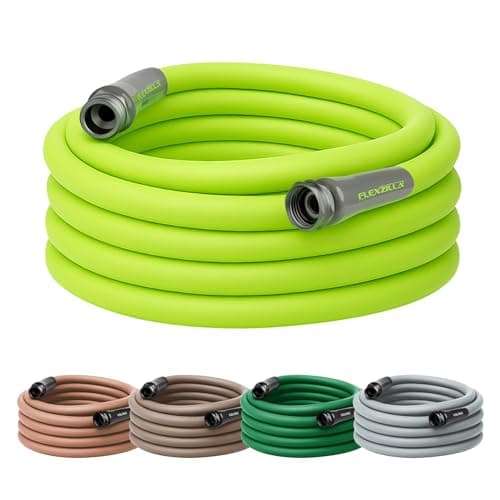
The hose setup for a long, narrow yard
The weight of water in 100 ft of hose, the rewind that removes it, and the nozzle patterns that matter at distance.
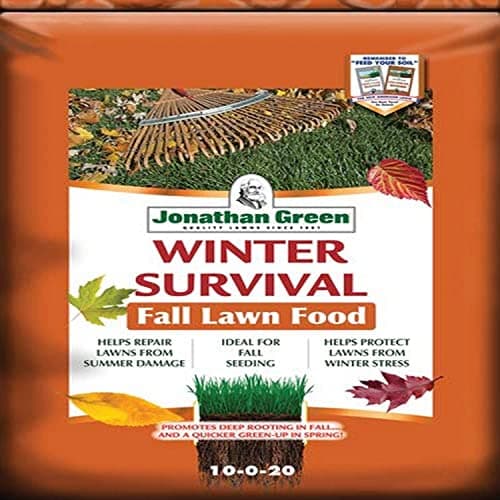
Best Fall Fertilizer
Best winterizer fertilizer, and why the two bags disagree
Published analyses, rates and windows for the two fall bags, and the 2.4x potassium gap between products sold for the same job.
Top pick
Jonathan Green Winter Survival Fall Lawn Fertilizer (10-0-20)
#ad Affiliate link. How we're funded
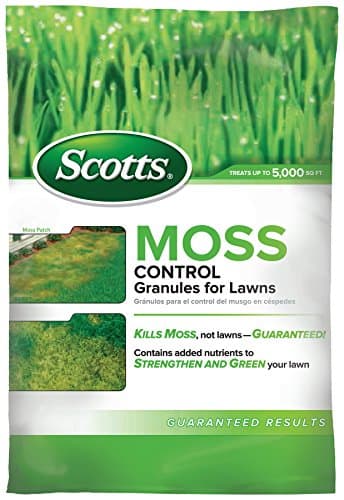
Best Moss Control
Best moss killer for lawns, and the job it does not do
17.5% ferrous sulfate at 3.67 lb per 1,000 sq ft, the two package sizes, and the four causes that decide whether moss comes back.
Top pick
Scotts Moss Control Granules for Lawns, 18.37 lb
#ad Affiliate link. How we're funded
guide
The lawn renovation product kit, in buying order
The five-purchase shopping list for a full reseed, with published rates per 1,000 sq ft and the order each one is used in.
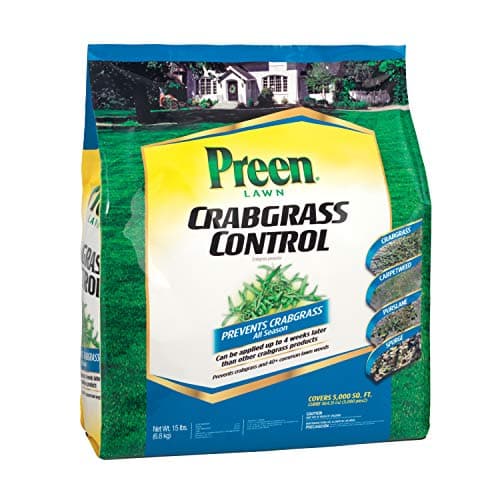
Best Crabgrass Preventer
Best crabgrass preventer, by what it actually asks of you
Published application rates, active ingredients and the one product with a post-emergence window -- plus why most lawns should not buy any of them.
Top pick
Preen Lawn Crabgrass Control, 15 lb
#ad Affiliate link. How we're funded
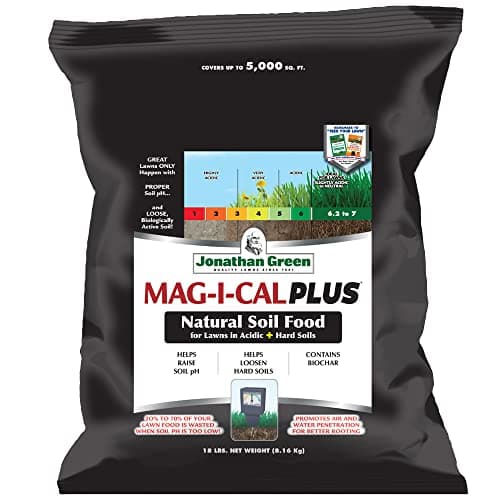
Best pH Amendment
Best lawn lime, and the one product that goes the other way
Published rates by measured pH, 3.6 against 12 lb per 1,000 sq ft, and the only published time to effect in the category.
Top pick
Jonathan Green Mag-I-Cal Plus for Lawns in Acidic & Hard Soil, 18 lb
#ad Affiliate link. How we're funded
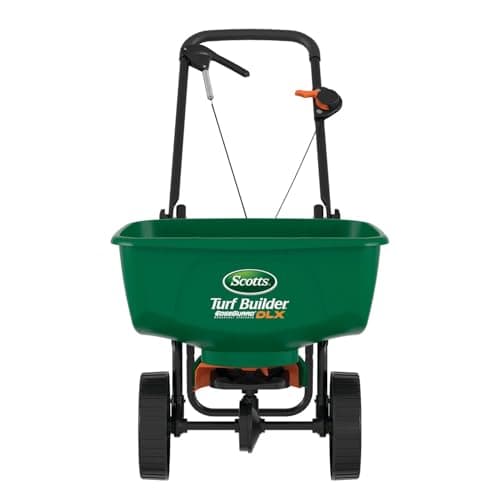
Best Spreader Review
Scotts Turf Builder EdgeGuard DLX review: calibrated, capacious, undocumented
Everything Scotts publishes about its best-selling spreader, the three figures it does not, and what a 15,000 sq ft hopper weighs when full.
Top pick
Scotts Turf Builder EdgeGuard DLX Broadcast Spreader
#ad Affiliate link. How we're funded
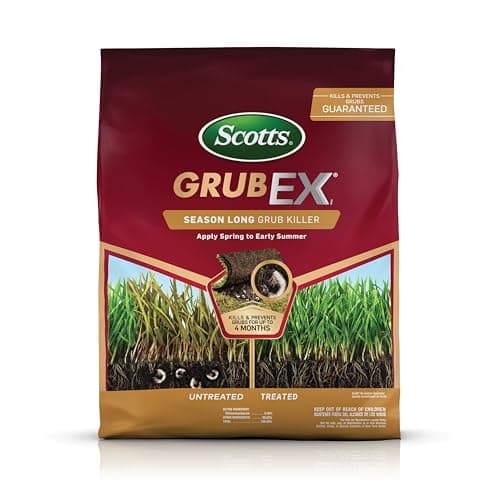
Best Grub Control
Best grub control, starting with whether you need any
The count that decides whether to treat, two published pest lists, and one maker whose own coverage figure is half what the listing claims.
Top pick
Scotts GrubEx1 Season Long Grub Killer
#ad Affiliate link. How we're funded
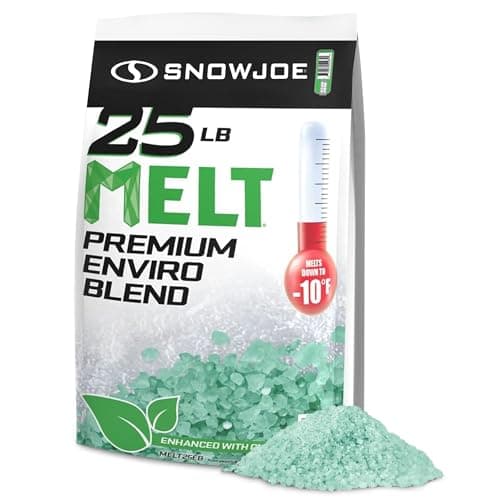
Best Ice Melt
Best ice melt, ranked on the one number that decides it
Three de-icers compared on published lowest working temperature, chemistry and cost per pound -- plus the one whose maker publishes no temperature at all.
Top pick
Snow Joe Premium Enviro Blend Ice Melter, 25 lb (MELT25EB)
#ad Affiliate link. How we're funded
The number that sorts aerators from dethatchers
| Tool | Published working depth | Solves |
|---|---|---|
| Agri-Fab 45-0299 plug aerator | Up to 3 in | Soil compaction -- pulls cores out |
| Sun Joe AJ801E, raking | 0 to 0.4 in | Thatch sitting above the soil |
| Sun Joe AJ801E, scarifying | -0.4 to 0 in | Heavier thatch, surface prep for seed |
| Spike roller | Varies | Very little -- it compacts soil around each hole |
A factor of seven between core aeration and dethatching. They are not alternatives to each other.
Compaction shows up as water pooling or running off, thin grass along walking lines, and soil you cannot push a screwdriver into. Thatch is a spongy brown layer between the green and the soil that makes the lawn feel bouncy. Plenty of lawns have both, in which case the order is dethatch, then aerate, then overseed into the open holes — the full guide is here.
Spread width is the only spreader spec that changes the job
That is the entire practical difference a dual rotor buys, and it compounds with lawn size: on 20,000 square feet it is about 56 passes against 67. The spreader page covers hopper capacity, edge control and the broadcast-versus-drop decision.
Edge control is a runoff feature, not a tidiness one
A broadcast spreader throws product in a circle, which means a pass along a driveway puts fertilizer on the concrete. That is not just untidy: anything landing on a hard surface washes into a storm drain with the next rain. EdgeGuard-style mechanisms block one side of the pattern so you can run the boundary pass without it.
If your lawn is heavily bordered by beds and paths, a drop spreader is the better tool despite being roughly three times slower — it puts product exactly where you steer and nowhere else.
Technique beats equipment here
- Calibrate on a hard surface first. Over-application burns a lawn and cannot be undone.
- Shut the hopper before you turn. A turning spreader deposits several times its normal rate in one spot, and it shows for weeks.
- Aerate in the growing season, into moist (not wet) soil, and leave the plugs on the lawn to break down.
- Overseed immediately after aerating, while the holes are open. They are the best seedbed your lawn will have all year.
What is coming to this section
Lawn care is deliberately a reserved section at launch: the structure is built, two roundups are published, and the rest arrives as the content engine works through the keyword clusters — sprinklers, seasonal care, and the fertilizer cluster specifically. Nothing about the URL structure assumes the current page set is final.